The
Healthspan
Advantage

Why longevity optimisation can backfire — and how to build health that compounds

01 I A Health Paradox


Nora Rosendahl
Chief Operating Officer, Hintsa
A few years ago,
a question stopped me cold:
Is this how I'll die?
A loved one had a heart scare.
My grandmother's Alzheimer's had worsened.
Ageing, once abstract, became urgent.

So I did what driven people do: I went looking for answers. Books, research, podcasts. I discovered the longevity space. It was unsettling:
  • Noisy: Everyone's an expert. Lots of answers. Few agree.
  • Confusing: Zone 2, cold plunges, rapamycin... Wait, what’s tested in humans?
  • Commercial: Every loud voice eventually leads to a supplement link.

Turns out it's not just me. We polled 300+ leaders and professionals. While 79% have a plan to improve their health, 82% do not feel very confident about what actually improves long-term health.

That's the healthspan paradox: highly motivated to act, but unsure the action is right.

I was lucky: I could consult Hintsa's doctors. Dr. Aki Hintsa himself spoke about health capital:
"In the same way you save money for retirement, you should build health capital: invest early to see your health compound."

For decades, Hintsa has built health capital with athletes, leaders, and entrepreneurs as the foundation for performance.
What we're seeing: Much of what high performers do to optimise longevity doesn't build health capital. Some of it erodes it.

This report explains why — and what to do instead. Not more or harder. Just what actually works if you're serious about your physical and cognitive health.

So let's start: what's the trouble with longevity?

02 I Longevity

Why can longevity optimisation backfire?

We're living longer than any generation ever — but we're also spending more years in poor health. Today's longevity boom is driven by 4 trends:

1
Health Data Explosion
Blood panels. Genetic tests. Full-body scans. Wearables. We track our bodies like we track businesses.
2
Capital Explosion
Entrepreneurs and investors turned to ageing like to a tech challenge: Measure. Optimise. Extend.
3
Expertise Explosion
Doctors, researchers, and influencers now speak directly to global audiences. New "science” travels fast.
4
Wellbeing Gold Rush
Health-aware consumers drive a booming wellness market, and new products follow.
Longevity has become a
performance sport,
built on a 5-myth 'more' mindset.
This performance mindset builds careers. But when applied to health, “more” and “harder” is not always better.

A persistent "on" state of intensity and over-optimisation can drive what researchers call 'allostatic load' — the total burden of stress on the body and brain. When it stays elevated, the wear and tear accumulates:

  • Worse recovery and sleep
  • Higher inflammation
  • Worse metabolic health
  • Increased risk of cognitive decline
  • Higher injury risk

Ironically, in trying to outsmart ageing, we may be accelerating the very processes we hope to slow.


But that’s not the only challenge in today’s longevity space.
The 5 'mores' of
modern longevity:
  • Push more
    "More intensity, more health"
  • Optimise more
    "There's always a better protocol"
  • Track more
    "More data, better decisions"
  • Stack more
    "Supplements will fix it"
  • Scan more
    "Advanced diagnostics
    = prevention"

We surveyed 300+ leaders and professionals about health and longevity. Here's what they said:

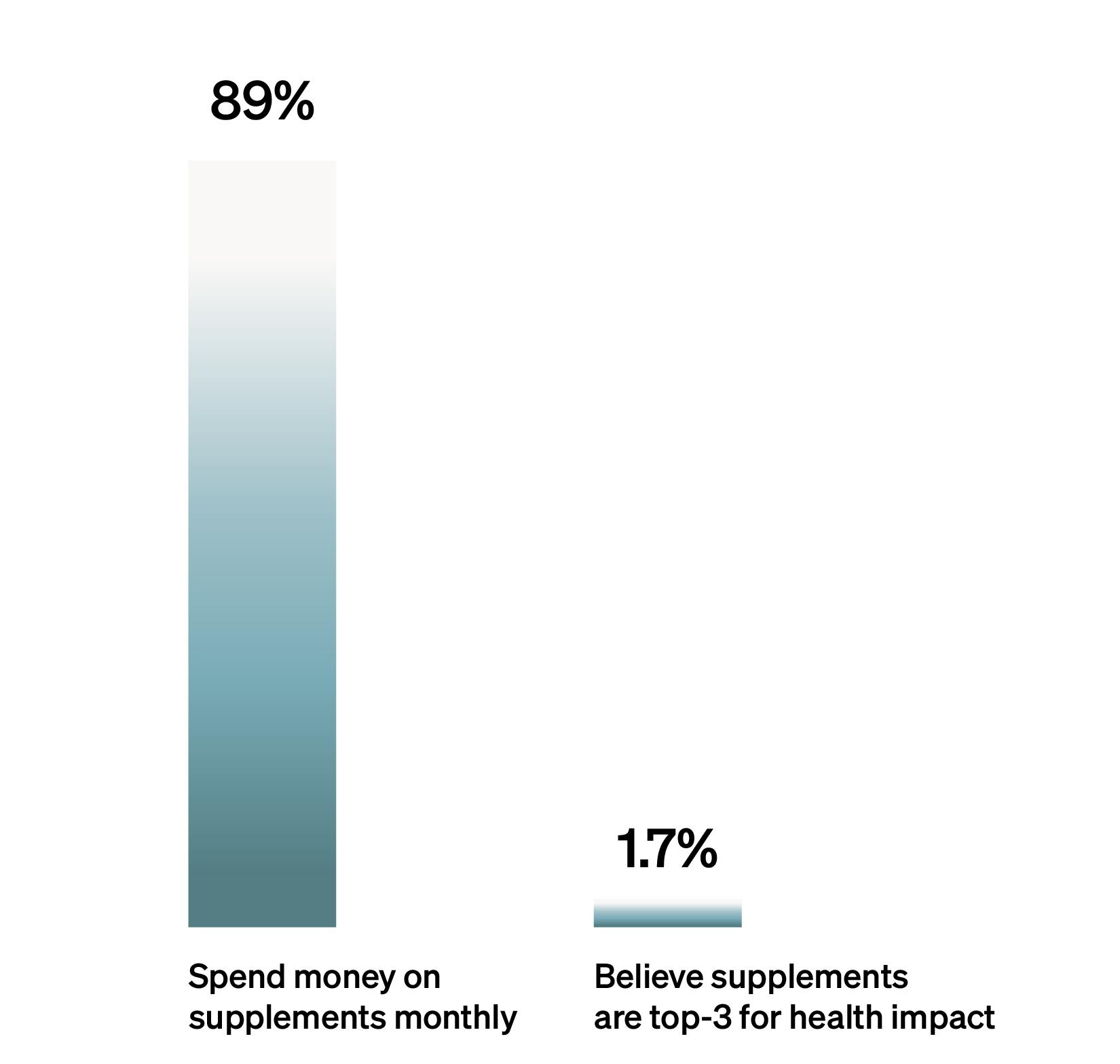
The Investment Mismatch: Money flows to simple stuff — impact sits elsewhere.
Most high performers spend money on supplements — over a third spend €600–1,800 a year. However, <2% rank supplements among the top-3 on health impact.

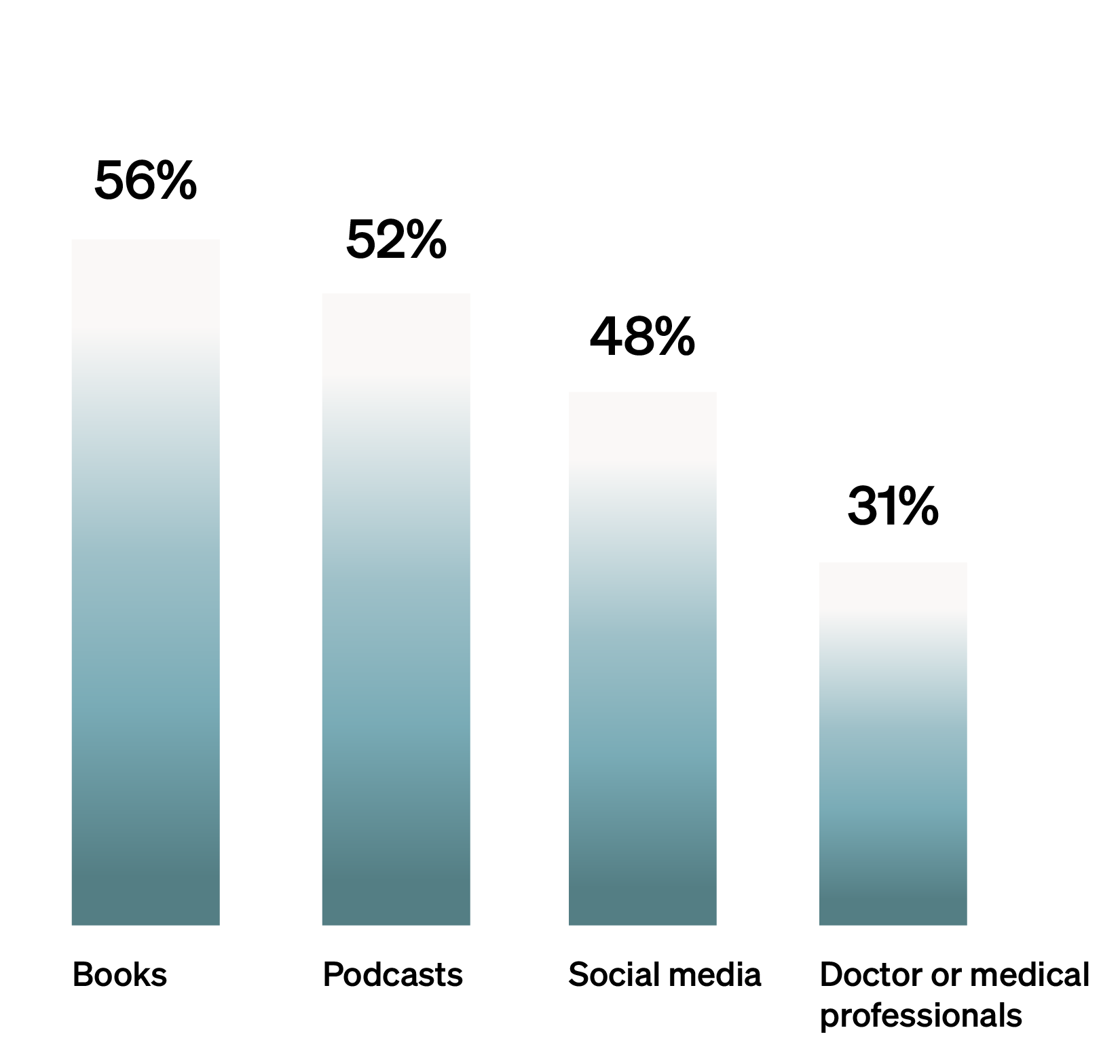
Media vs. Medicine:
Health is media-driven,
not clinically anchored.
We're almost 2x as likely to learn about longevity and health from media than from medical professionals.

The loudest source wins, but it's rarely the most qualified.

  • "Where do you most often get information about longevity or health?"
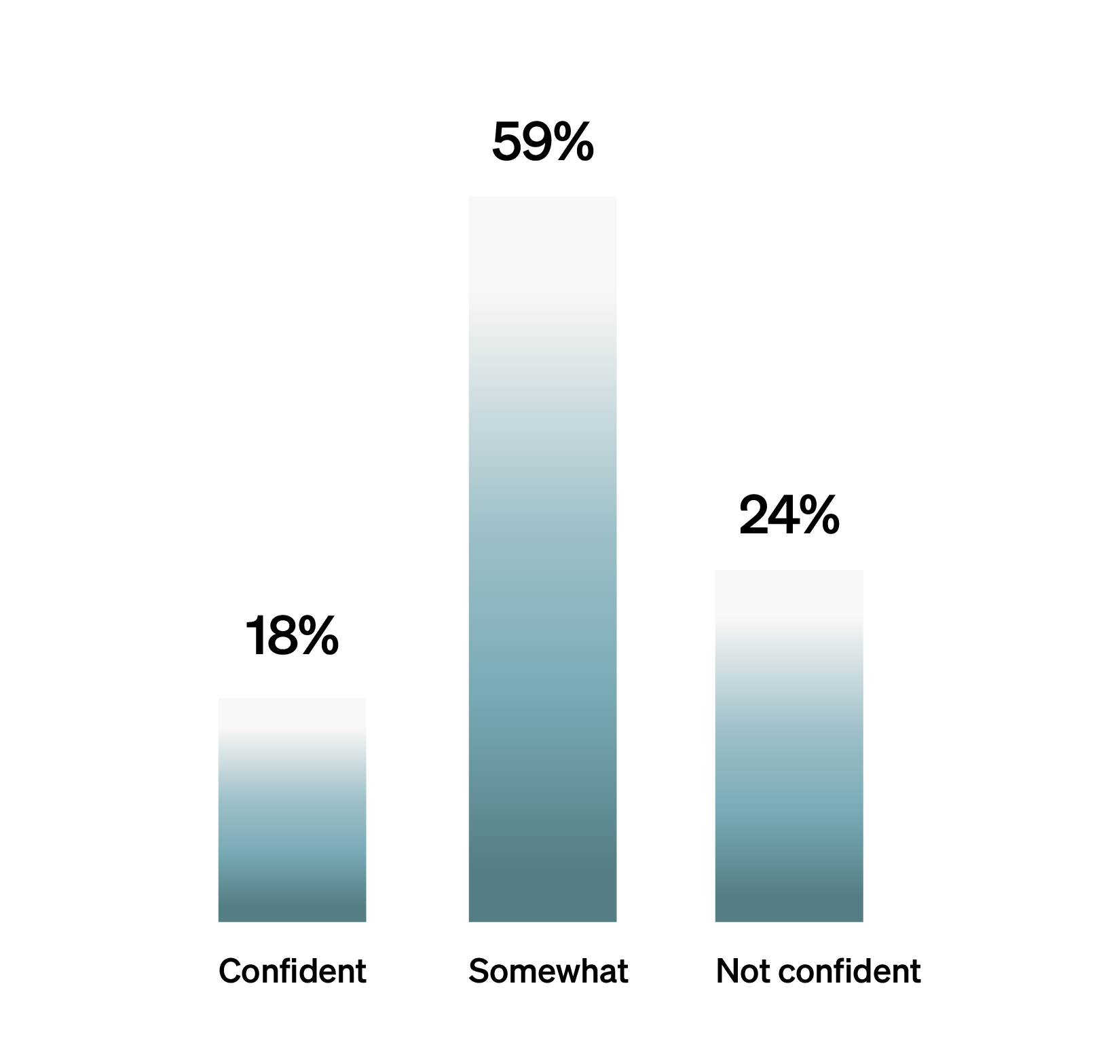
The Health Confidence Gap: We’re taking action, but doubt it’s right.
While 79% have a structured health plan, only 18% feel very confident they actually know what improves their long-term health.

  • "How confident are you that you know what genuinely improves your long-term health?"
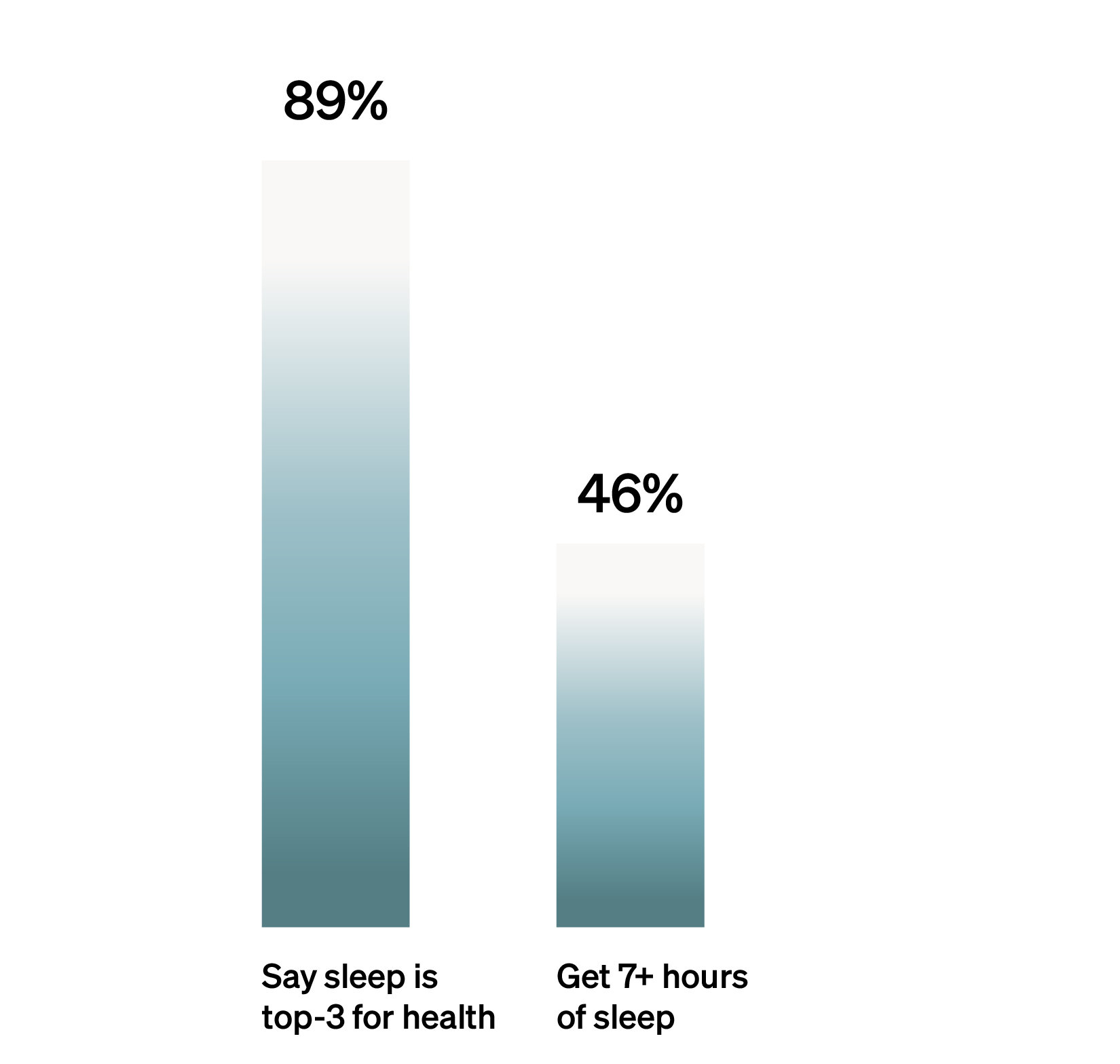
The Action Gap: We know, but struggle to do.
Sleep is a great example. Almost everyone ranks sleep highly for long-term health — more than any other intervention. Fewer than half apply it.

This is not a knowledge problem — it's about crossing the intention-action gap.

  • "Sleep is one of the most important factors for my long-term health" / "I sleep 7+ hours on average"
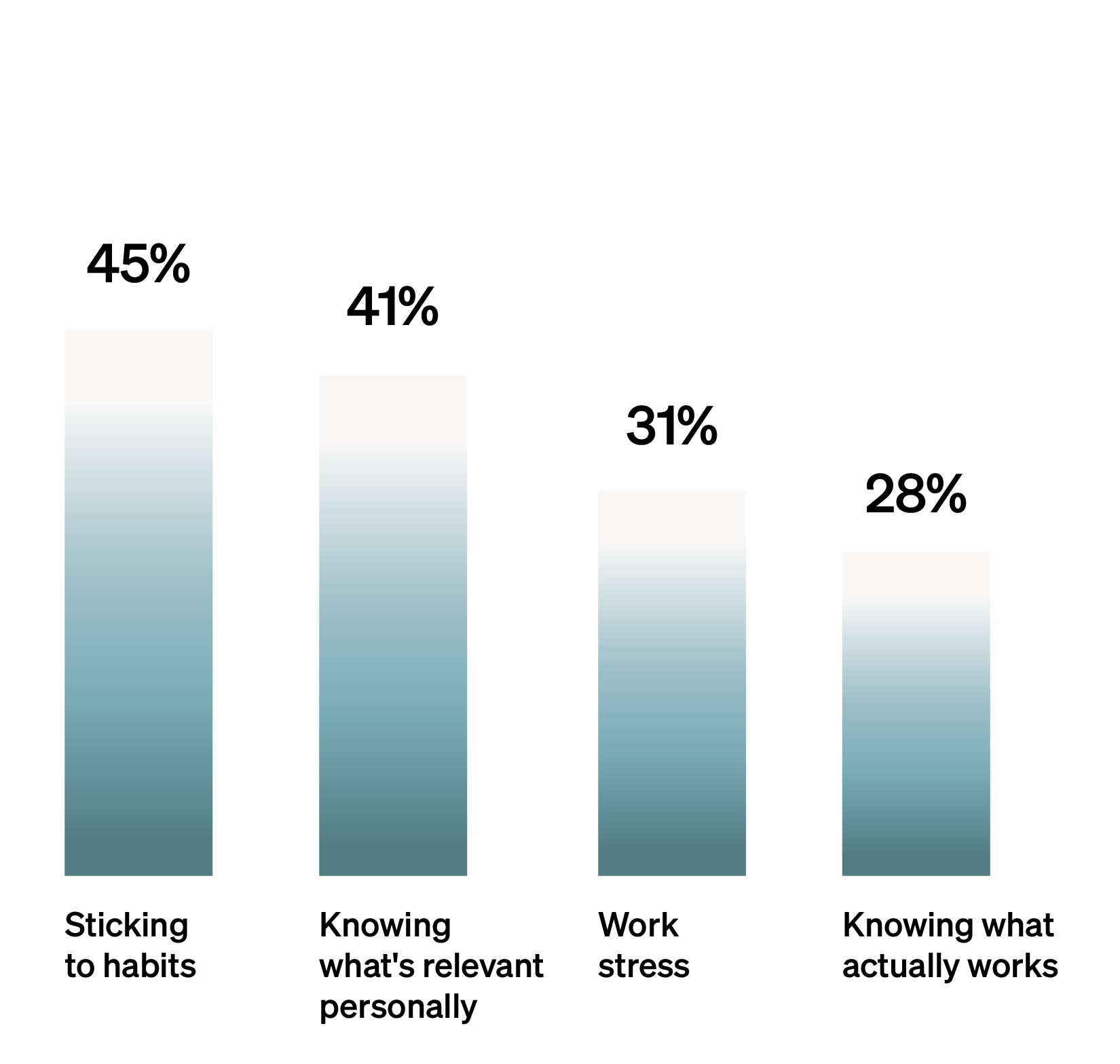
The Behavioural Barrier: Time isn’t the constraint, consistency is.
Only 23% cite 'lack of time' as the barrier to better health - top challenges are elsewhere.
With all the data and wearables in the world, the biggest obstacle remains: changing behaviour, and sticking to it.


  • "What's the biggest barrier to improving your long-term health?"

03 I THE HEALTHSPAN Equation

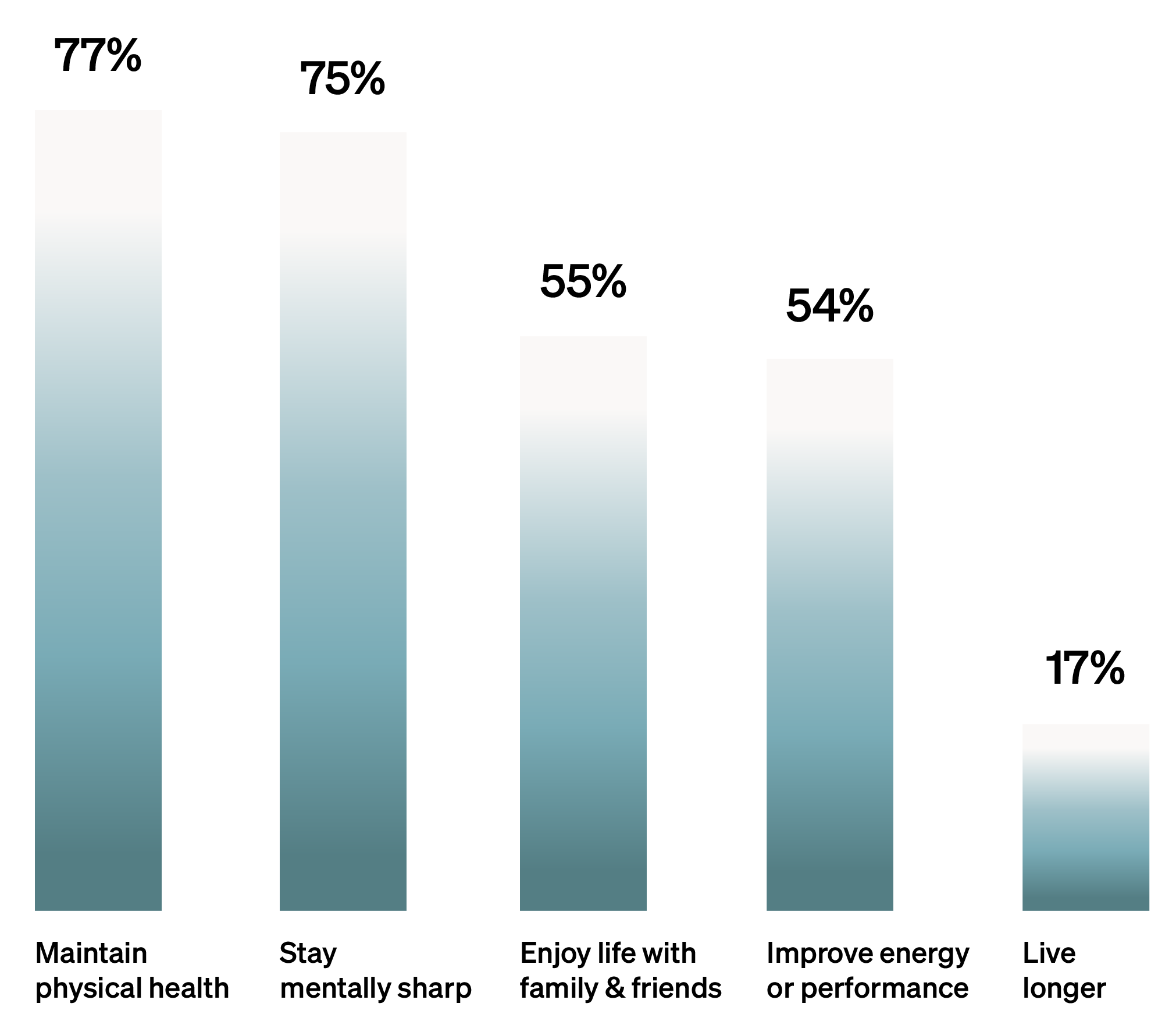
But here's what the longevity industry gets
most wrong: it sells us "more years”.

Our data show "better years” is 3-5x more motivating.
  • “What, if any, motivates your interest in healthspan?”
What we’re after is 'healthspan'.
1 ) Lifespan: How long will I live?
2 ) Healthspan: How long will I remain healthy, active, mentally sharp?

In the graph, the two curves have equal lifespan, but different healthspan.
Same years. Vastly different lives.

That difference?The healthspan advantage.

It’s entering your 70s, 80s, 90s with
clear thinking,
physical strength,
energy to pursue what matters,
and freedom from preventable limitations.

Healthspan is built on
4 building blocks:

It's a multiplication, not a sum. If one drops to zero, outcomes evaporate.

Exercise perfectly but do nothing else?
You're sub-optimising the system.
Personalise brilliantly but never sustain?
Your perfect plan survives exactly one good week.

But if all four work together, health compounds over time.

Hintsa's experts explain what each part means,
how we work with clients, and where you can start.
FUNDAMENTALS
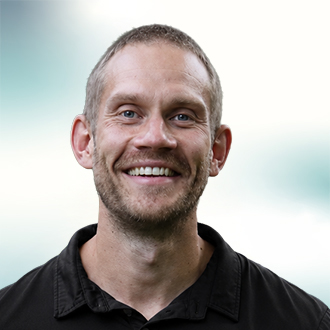
By Doctor
Tommy Wood
Navigate the noise of health fads to find what works.
PERSONALISED
By Doctor
Riina Komonen
Adapt to your context, risks, life, and goals.
INTEGRATIVE
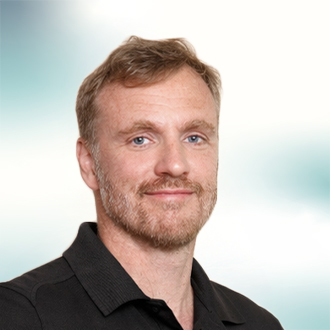
By Coach
Moriz Wikström
Optimise the whole system, not isolated parts.
SUSTAINABLE
By Coach
Eleonoora Hintsa
Build routines to fit busy periods, travel, stress, life.

Before we dive in:
What motivates you in better health? A clear 'why' anchors everything, don't skip it.

04 I FUNDAMENTALS


Dr. Tommy Wood
Hintsa Head Scientist
Navigate the noise,
find what matters.
The longevity space is noisy. Be honest, how good are you at assessing the social media health claims you encounter daily?

DNA-based diets. Micro-doses of some drug. Doctors explaining peptides. I'm an MD and neuroscientist and even I scratch my head at times.

In health, media literacy is crucial. Here are the basics to help you navigate the online noise.

Not all evidence is equal.

If a headline says "study shows X improves health," that can mean very different things. Scientific evidence goes through roughly 4 phases:

1
Mechanistic or Animal Data
Shown to work only in cells or animal models. Hypothesis-generating.

Example: Most peptides.
  • Interesting, but not actionable for humans
2
Small Human
Studies
Short human trials, peer-reviewed (ideally).
Often only tested in unhealthy groups.

Example: Many supplements.
  • Promising, but not definitive
3
Replicated
Human Trials
Peer-reviewed randomised controlled trials (gold standard).
Larger populations, longer time frames.

Example: Meditation. Some diets.
  • More robust, but still context-dependent
4
Long-Term
Evidence
Multiple studies, diverse groups (age, sex, ...).
Clinically meaningful outcomes.

Example: Strength. Sleep.
  • Reliable foundation for action
Human biology is too complex to be built on headlines.
What trends on social media tends to be level 1 and 2 — it's novel and interesting, but untested.
What actually improves health over a lifetime is level 4 — the boring basics.

That gap is where your money and effort risk getting wasted, and where you lose health.

Check-list before you adopt
a new health protocol:
  • Is it a peer-reviewed study?
  • Has this been tested in humans?
  • Has it been replicated in multiple studies?
  • What outcome did the study improve?
  • What population was studied?

The intervention landscape, assessed

If you lack the time to evaluate every health claim, here's a rough guide.
We've assessed 27 common healthspan interventions on two dimensions: evidence strength and likelihood to improve healthspan.


Foundational

High evidence. High impact.
Must be in place first.
  • Strength training
  • Sleep and recovery
  • Aerobic capacity / VO₂ max
  • Protein intake
  • Stress regulation
  • Social connection
  • Alcohol reduction
  • Smoking cessation
  • Life-long cognitive engagement
  • Nutrient-dense diet
  • High fibre
Enhancers

Useful in some contexts.
Not universal.

  • Sauna
  • Cold exposure
  • Time-restricted eating
  • Creatine
  • Continuous glucose monitoring
  • HRV etc. tracking
  • Vitamin supplements
  • Hormone therapy or replacement
  • Cognitive training
Experimental

Limited or no human evidence.
Require caution.

  • Peptides
  • Metformin (non-diabetic use)
  • Rapamycin
  • NAD+ infusions
  • Stem cell therapies
  • Full-body MRI screening
  • Genetic testing panels
Let's make this concrete:
meet Oscar.
Oscar, founder, 34.
Hyper-growth scale-up life.

"I track everything. I do cold plunges. I take 15 supplements. I train boxing, martial arts.
I admit, it's inconsistent. Some weeks I'm in the gym every day, other weeks ... not. I sleep terribly. I'll be wired at midnight, crashing by 3pm. My mood swings, a lot. But if I just find the right protocols, it'll click."
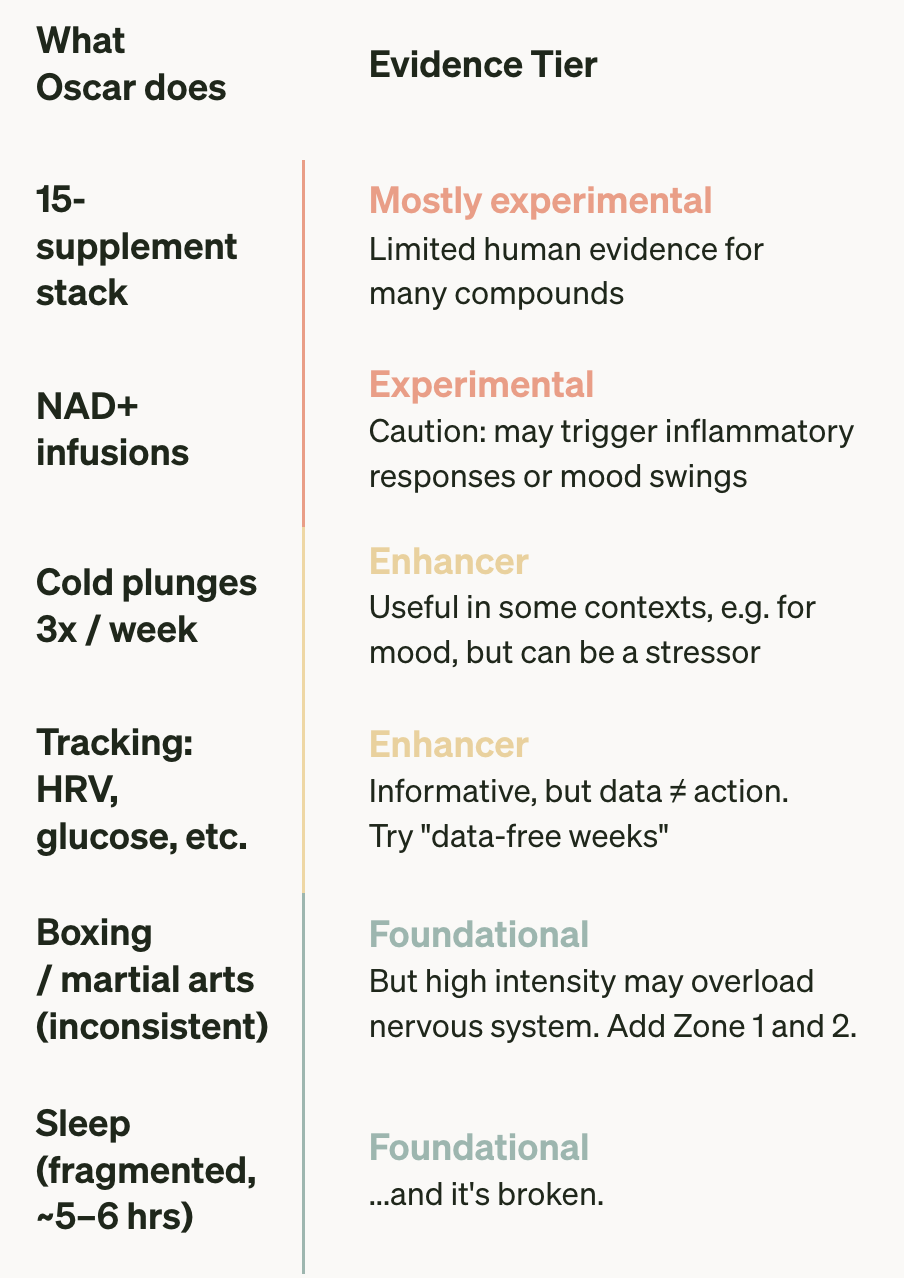
Oscar is doing a lot. But look at where his effort sits.

Oscar is focused on enhancers and the experimental. His foundations — sleep, movement, stress regulation — are his weakest part. He's basically building the roof before the walls. Worse, his protocols — cold plunges, fasting, NAD+infusions — may be adding to his allostatic load. He's trying to recover from intensity with more intensity. That's why his energy fluctuates: the system never stabilises.

This pattern is common. It's not a failure of motivation, but priorities. Fix foundations first. 

I know, I know. The foundations are not exciting, novel, or Instagram-friendly.

You can disagree on everything else in this report. But not this: Foundations first. Every time. It's where your health investment compounds the most.

What
Oscar does
Evidence Tier
15-supplement stack

Mostly experimental
Limited human evidence for
many compounds

NAD+ infusions

Experimental
Caution: may trigger inflammatory responses or mood swings

Cold plunges
3x / week

Enhancer
Useful in some contexts, e.g. for mood, but can be a stressor

Tracking:
HRV, glucose, etc.

Enhancer
Informative, but data ≠ action.
Try "data-free weeks"

Boxing
/ martial arts (inconsistent)

Foundational
But high intensity may overload nervous system. Add Zone 1 and 2.

Sleep (fragmented,
~5–6 hrs)

Foundational
...and it's broken.

Where to start.

01
Take a positive
mindset to ageing
The longevity industry runs on fear. But research consistently shows that a positive perception of ageing is associated with longer, healthier lives.

How do you think about ageing? What are its positive aspects to you?
02
Fix one
fundamental first
You probably have a long list of things to improve. But the evidence is clear: more than 1 or 2 health goals at a time dramatically reduces the chance they'll stick. The good news: fixing one foundation improves health across multiple pathways.

So be brave: Scroll back up to the list of fundamentals. Pick just one.
03
Drop the pursuit
of "optimal"
Chasing perfection is itself a stressor, which can undo the very work you're putting in.

So imagine your 'optimal goal'. Then take it down a notch to 'good enough'.

You need a foundation strong enough to hold, not one that makes you Super(wo)man.

So how should you prioritise?
It's time to get personal.

05 I PERSONALISED


Dr. Riina Komonen
Medical Director
Find what's
relevant for you.
The wardrobe of a 50-year-old weightlifter in California won't fit a 32-year-old mother in Stockholm. Obviously. Yet with health habits, we copy and paste freely.

I see it every day. Patients arrive excited about a social media protocol: a supplement, a diet, a training plan. It worked for the person who posted it. They assume it'll to work for them.
But health is not transferable like that.

People respond to health interventions on 3 levels:
  • Biology: Who are you? What's your current state, risks, family history?
  • Context: For you, what'll be easy to sustain, what's unlikely to last?
  • Impact: What can have an outsized impact? What can we simplify?

We're all different. What works for me, won't necessarily work for you.

To be clear: Personalisation is not about complexity. It's figuring out what will actually move the needle — for you, uniquely. And often it involves doing less, but better.
Let me illustrate: Two profiles.
Two different priorities.
Andrea CXO, 40.
Small children.

"I've always been active: running, gym, cycling. But after my second child, I get 5-6 hours of sleep and I feel it. I forget things. I lose words mid-sentence. My grandmother had Alzheimer's and that scares me. So I keep pushing: I signed up for HIIT workouts, a friend got me into peptides. But I'm honestly not sure it's helping."
  • What I'd look to add
  • Protect sleep as a non-negotiable Go from 5-6 to 6-7 hours over time
  • Support strength Try a teaspoon of creatine in the morning to boost strength training
  • What could be simplified
  • Manage training load Stop layering more high-intensity exercise sessions onto an already full week
  • Drop low-evidence interventions Peptides have none or thin human evidence. Drop these and see what changes
Sven. CEO, 52.
Former athlete.

"I know I should move more. But my days are wall-to-wall: meetings, travel, dinners. I sit for 10-12 hours. I've put on weight around the middle and my doctor flagged my fasting glucose. I've looked into advanced diagnostics and started supplements, because at least I can do that from my desk. But honestly, I feel slower — physically and mentally. I just don't know where to start."
  • What I'd look to add
  • Daily walking 30 min, non-negotiable. The single highest-return intervention at this stage
  • 2 strength sessions per week Even 20 minutes. Muscle mass after 50 is a healthspan multiplier.
  • What could be simplified
  • Prioritize movement Stop researching advanced
    diagnostics as a substitute for moving
  • Foundations first Deprioritise supplements beyond vitamins until fundamentals are in place
The real anchor:
Your future self
Personalisation, at its best, connects today's actions to your life in 20 or 30 years.

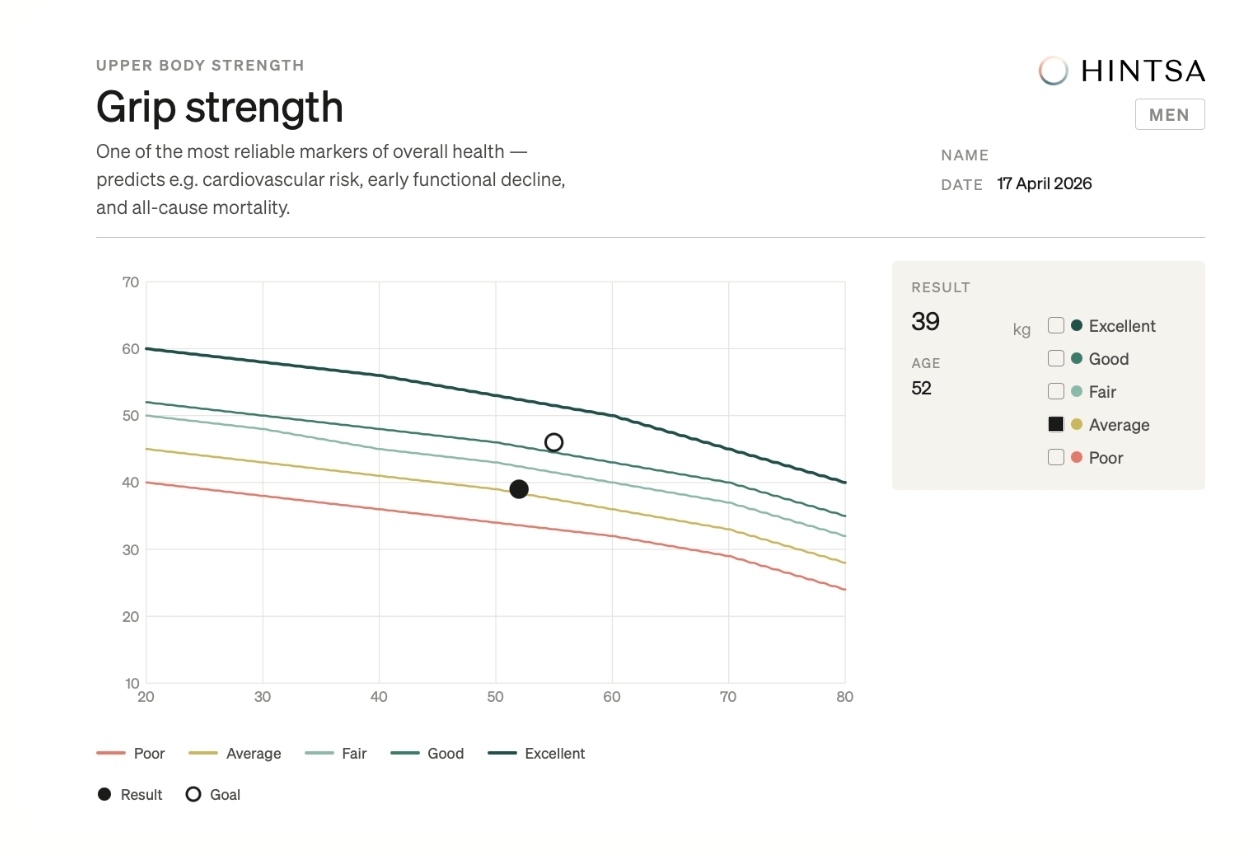
Here's Sven's grip strength test from our Healthspan dataset — a standardised, well-validated predictor of long-term health.


I could tell Sven: "Your goal for the next 3 years is to reach the 'Good' range."
That's clinically correct. It's also forgettable.

Or I could say: "Sven, you sail, right? At 75, you'll want to raise the mainsail yourself. For that, you'll need 'excellent' grip strength. That's what we're building towards."

When health connects to something you love, it becomes meaningful.
That's what personalisation really is: clarity about what matters to you, tied to a future worth training for.

Where to start.

01
Simplify
before you add
Before adding anything, drop one thing that isn't earning its place.

Be it an overly-ambitious training plan or a restrictive diet, the hardest part isn't knowing what to do — it's cutting what doesn't matter.

If you drop it and miss it, you can always add it back.
02
Pick one marker,
not a hundred
You don't need 100-biomarkers to begin. Start with one of these:
  • Grip strength
  • Muscle mass
  • VO₂ max
Each is well-validated, easy to test, and says a lot about your long-term health.

One number, tracked over time, beats a dashboard you never act on.
03
Imagine your
health future
A target on a chart is forgettable. A personal reason to hit it isn't.

Ask yourself: what do I want to be doing at 70, 80 or 90?

Hiking, travelling, leading a board — whatever it is, work backwards from there. That's your health goal. Everything else is a means to it.

Many high-performers get this far: A personally relevant focus. Next, they stumble.

06 I Integrative


Moriz Wikström
Senior Performance Coach
Optimise the whole,
not the parts.
Many high performers optimise aggressively — in one area.

Here's the thing: your body doesn't have ‘departments’. It works as one system: training, sleep, stress, nutrition, work, relationships. It's all connected.

At Hintsa, our coaching programmes are integrated: health, wellbeing, and performance. And honestly, most clients don't understand what it means until they experience the benefits.

Let me do my best to explain what ‘integrative’ means.
1 | You are one system.
A client came to me struggling with energy: losing focus every afternoon, cognitive depletion by evening. He'd tried everything: work habits, breaks, movement, caffeine timing.
Nothing shifted.

Until we looked at morning nutrition. He was skipping breakfast, under-eating protein, and running on caffeine until lunch. His brain wasn't tired. It was underfuelled.

I see it all the time in my clients: the symptom and the cause often live in different parts of the circle:

"I can't sleep" ... but the root cause is unprocessed work stress, not sleep
"I have no energy" ... but the root cause is chronic under-recovery, not fitness or work
"I'm always injured" ... but the root cause is total load across work and travel, not biomechanics

If you only treat where it hurts, you may miss where it starts. I’ve seen countless ‘bad backs’ get better not after physiotherapy, but after fixing role misalignment or a poor relationship.

2 | Your experts
should be one team.
Most high performers have experts, not a team. That difference matters.

To treat hip pain, a client's physiotherapist prescribed mobility work to improve flexibility. His personal trainer - unaware of the physio - was programming heavy leg days 2-3 times a week.

As a result, they were undoing each other's work every week. Neither knew.

Good advice that contradicts other good advice isn't good advice.

In Formula 1, drivers have an integrated team: coach, doctor, performance psychologist, nutritionist, physiotherapist — all working on one plan, one data set, one goal: your success.

Isn't that an enticing idea: a team of experts, working together to make you successful?

Where to start.

01
Look elsewhere in
the system
Next time something is off - sleep, energy, recurring pain - resist the urge to fix it directly.

Instead,
look at your Circle of Success: could the real cause be somewhere else?

Start one circle segment away from the symptom. You might be surprised where the real fix sits.
02
What's your
'keystone habit'?
We all have one routine that, when in place, lifts all else — and when it slips, everything unravels.

Look back over your year: When were you at your best? What was the one non-negotiable that held?

For many, it's exercise or sleep. Or it could be a weekly dinner with friends, or an hour of solitude.
You don't need ten habits. You need one that holds, even when life gets loud.
03
Force focus:
start with one habit
Not five. Not three. One.

You have many choices:
  • Your weakest link
  • One that can deliver the highest return right now
  • One that builds on a strength
From our cases, Andrea's was sleep, Sven's was walking, Oscar's was stabilising his circadian rhythm.
They all sound small. But they compound through the entire system.

Next, the perhaps biggest gap:
let’s make that well-chosen move stick.

07 I SUSTAINABLE


Eleonoora Hintsa
Senior Performance Coach
and PhD candidate in behavioural change
Will it last?
You know the pattern.
January: A new plan, a new you.
February: Some of it sticks.
March: Most of it is gone.

Our healthspan survey confirmed it. The biggest barrier to better health isn't time — only 23% cite it among top-3 barriers.
It's making changes stick (45%).

When we talk about life-long health, this matters.
Because if a change doesn't last long enough to make a difference, it literally won’t make a difference.

Three myths that keep people stuck

1
"I lack motivation"
Motivation is unlikely the problem. Research shows the intention-behaviour gap for health is wide: even among people who intend to exercise, only 47% actually do, according to the most recent meta-analyses.
Worse than a coin toss.

Motivation gets you started, but doesn't keep you going.
What you need are systems: planning, environment design, self-regulation skills.
2
"I lack willpower"
That colleague who runs at 6am, drops the kids off, and sends emails before you've had coffee — they have great self-control, right?

Wrong. Research shows that people who sustain good habits don't rely on self-control — they've built systems that make the right choice easy.

It's called "effortless self-control", and it comes from knowing yourself and solving problems in advance, not from gritting your teeth harder.
3
"Habits form in 21 days"
This persistent myth traces back to a 1960s plastic surgeon Maxwell Maltz’s observations about patients adjusting to new facial structures.

Contemporary research puts it closer to 66 days — with large variation in difficulty and context.

For a truly robust habit, it may take years. This isn't discouraging. It's liberating — because it means early lapses are normal, not failure.
PHASE 1:
Create change
Sustainable behavioural change has two distinct phases, and most people only plan for the first.

The question most people ask is:
How do I change my behaviour?

The process perspective to change has roughly four stages:

(Pre-)Motivation
Aware of problem.
Consider acting but must overcome procrastination or low commitment.
Plan
Understand problem and old self-narrative. Plan concrete actions.
Action
Implement plan.
Employ change tools to test and form new habits.
Support
Harness support — social, physical environment, culture, nudges.
Build new self narrative

Approach it differently

01
Reduce starting friction
We’re happy to start … next Monday.

Starting is hard because we underestimate the power of small frictions: tough day, sore throat, laundry to fold...

Try pre-planning: what can you do ahead of time?
Then, rehearse: visualise your first steps.
Finally, pre-commit to make it painful not to — pay for the meal bag, tell your friends about your digital detox.
02
From "I should" to "I choose to"
Two people start exercise.
One thinks "I should or I'm weak."
The other thinks "This helps me feel alive."

Same behaviour, different staying power. Change driven by guilt relies on self-control. Change you choose sustains itself.

If you're thinking "I should," try "I want to" or "this matters."
It's not wordplay — it's going from pressure to purpose.
03
Root changes in
your identity
For years, I tried to become a morning person. Didn't work. Until I realised I was resisting because ‘only boring adults are morning people’.

A good coach spends a lot of time understanding the person. What do they value or believe? How can we align identity and desired behaviours?

Ask yourself: Do you see yourself as a ‘healthy person’? Why or why not?
PHASE 2:
Sustain change
For healthspan, the critical question is:
How do I maintain changes and adapt my routines?

Because the psychological processes that help you start are not the ones that help you sustain, and that’s where healthspan impact lives.

Adjust
Maintain and adjust new habits and routines.
Plan for and prevent relapse.
Fuel identity
Refresh motivation. Reflect, honestly.
Keep learning and enforce your new self-narrative.

3 TIPS TO SUSTAIN

01
Plan for your real life,
not your ideal one
A client planned to exercise three times a week after work. The plan worked initially, but over time proved impossible to maintain: he was missing time with his daughter. An adjustment worked: lunchtime sessions.

Ask yourself: Do you have a habit that repeatedly clashes with real life? How can you adjust it?
02
Apply a
'traffic light plan'
Life throws us curveballs.

Plan your routines in 3 tiers:
  • Green: Your normal habits, e.g. gym 3x per week
  • Yellow: When total load is high or energy low — 10 min workouts and walk to work
  • Red: When you’re in ‘survival’ mode, e.g. squats before bed, prioritise sleep
How do you scale down habits to fit busy periods?
03
Treat lapses
as data, not failure
A study on New Year's resolutions found that the 19% who succeeded for two years had a surprising trait: self-compassion. They treated slips as a learning opportunity, not as a failure.

So next time you 'slip up', ask: What did I learn?
Then shrug it off. Tomorrow's a new day.

All of this the fundamentals, personalisation, integration, and sustainability done well, will keep you going in the right direction.

But ... going where?
What's it all for?
In the longevity noise, it's easy to lose track not just of what to do, but why.

We call this the Core. Dr Aki Hintsa asked every client
from F1 drivers to Fortune 500 CEOs three questions:

1 ) Do you know who you are?
2 ) Do you know what you want?
3 ) Are you in control of your life?

Science confirms it. The most robust studies on the long lived surface two factors:
Sense of purpose.
Quality relationships.

This report can guide you on the what and how of healthspan.

But the question that makes it matter is why:

  • Why do you want a long, healthy life?
  • What will you do with the extra years?
  • With whom will you spend them, doing what?

Hintsa Performance is a global leader in sustainable high-performance. For 30+ years, we’ve proven our science-based methods among the world’s top performers in sports and business. Formula 1 champions, Fortune 500 CEOs, and leading companies trust Hintsa’s coaches, doctors, and specialists to help them perform under pressure — sustainably.
Every win starts within.
Hintsa for athletes
READ MORE
Redefine success, authentic to you.
Our signature performance & health programme
READ MORE
Lead under sustained pressure.
Hintsa for leaders and critical talent
READ MORE


© 2026 All rights reserved Hintsa Performance